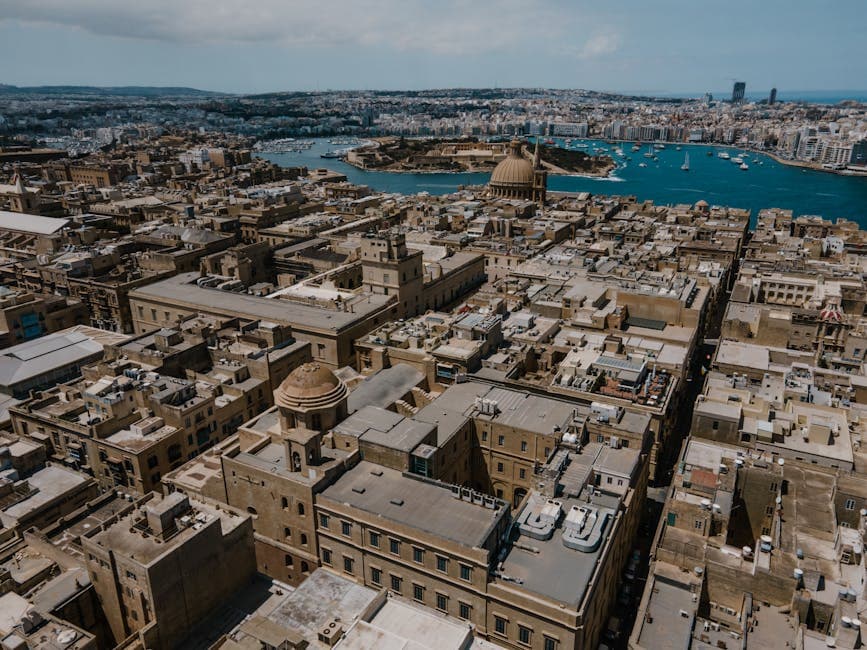
Overview of Student Visas in Malta
Malta, as a member of the European Union and the Schengen Area, maintains specific immigration protocols for foreign students. The requirements for entry and stay depend primarily on the student's nationality and the intended duration of their studies. For the 2025/2026 academic period, all administrative procedures are centralized through Identità (formerly Identity Malta Agency).
- EU/EEA/Swiss Nationals: These students do not require a visa to enter Malta. However, for courses exceeding 90 days, they must apply for a Residence Document.
- Third-Country Nationals (TCNs): Students from non-EU/EEA countries generally require a visa to enter and reside in Malta for educational purposes.
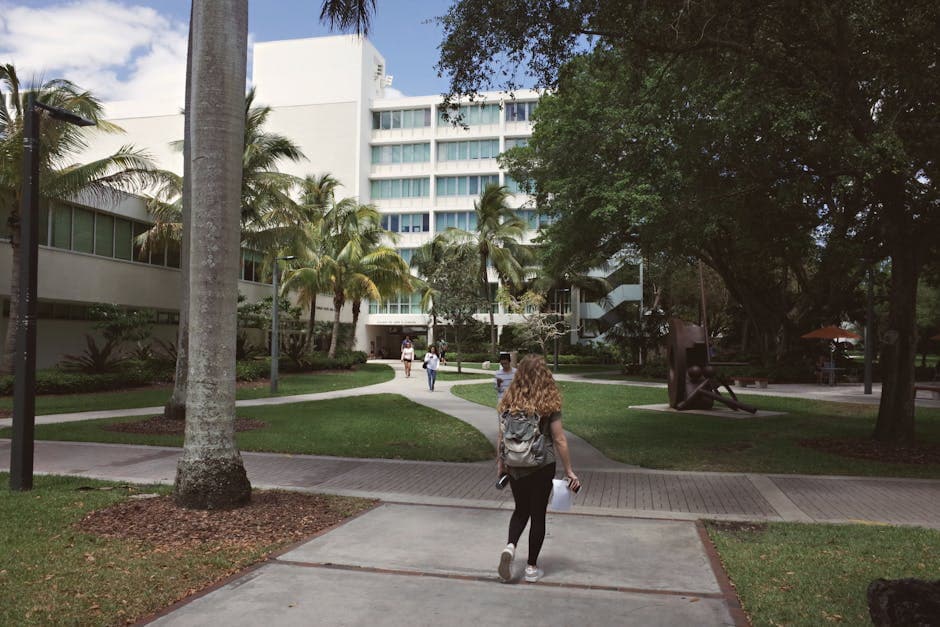
Visa Categories for International Students
There are two primary categories of visas issued to students depending on the length of their curriculum:
Short-stay Visa (Schengen Type C)
This visa is intended for students enrolled in short-term courses, such as English language programs or professional workshops, that do not exceed 90 days. It allows for free movement within the Schengen Area for the duration of the visa.
National Long-stay Visa (Type D)
The National Long-stay Visa is mandatory for students whose course of study lasts longer than 90 days (e.g., Bachelor’s or Master’s degrees). This visa allows the holder to stay in Malta for the duration of the academic year and must be supported by a subsequent application for a temporary residence permit once the student has arrived in the country.
The standard processing fee for a National Visa (Type D) is approximately 100 EUR ($109 USD, Jan 2026).
Application Requirements and Documentation
To qualify for a student visa in 2025/2026, applicants must submit a comprehensive dossier to the nearest Maltese Embassy, Consulate, or authorized VFS Global center. The following documents are typically required:
- Letter of Acceptance: An official confirmation of enrollment from a licensed educational institution in Malta.
- Financial Proof: Evidence that the student has sufficient funds to cover tuition fees and living expenses. Currently, the requirement is approximately 18 EUR ($20 USD, Jan 2026) to 25 EUR ($27 USD, Jan 2026) per day of stay if accommodation is already paid for.
- Health Insurance: A comprehensive medical insurance policy valid in Malta and the Schengen Area with a minimum coverage of 30,000 EUR ($32,600 USD, Jan 2026).
- Accommodation: A valid rental agreement or host declaration covering the duration of the stay.
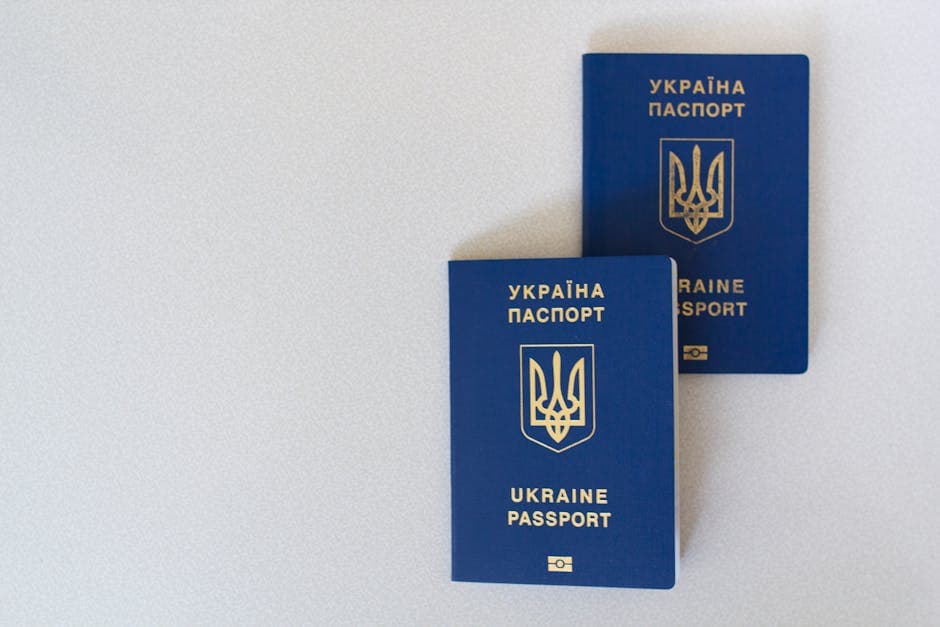
- Travel Documents: A valid passport with at least two blank pages and an expiry date at least three months beyond the intended stay.
Note: Students from certain countries may be required to provide a Tuberculosis (TB) screening certificate depending on the latest health advisories issued by the Superintendence of Public Health.
Employment Rights for International Students
Under current regulations, Third-Country National students enrolled in a full-time course leading to a recognized qualification (Level 5 or higher on the Malta Qualifications Framework) have limited access to the labor market. The following rules apply:
- Waiting Period: Students can only apply for a work permit after their first 90 days of residence in Malta.
- Maximum Hours: Employment is restricted to 20 hours per week.
- Work Permit: A student must find an employer and apply for a specific student work permit via Jobsplus. The permit is tied to the employer and remains valid only as long as the student maintains their full-time study status.
The fee for a Jobsplus work permit application for students is approximately 230 EUR ($250 USD, Jan 2026).