
Introduction to Capital Movement in Malta
As a member of the European Union and the Eurozone, Malta adheres to the principle of the free movement of capital. This means that, in general, there are no restrictions on the transfer of funds into or out of the country for both residents and non-residents. However, these movements are subject to strict monitoring for the purposes of Anti-Money Laundering (AML) and Counter-Funding of Terrorism (CFT) compliance.
The regulatory framework is primarily overseen by the Central Bank of Malta and the Malta Financial Services Authority (MFSA). While capital flows freely, financial institutions are legally obligated to verify the origin and destination of significant funds.

Cash Declaration and Physical Currency Rules
Individuals entering or leaving Malta with physical currency must comply with international customs regulations. These rules apply to cash, checks, and gold.
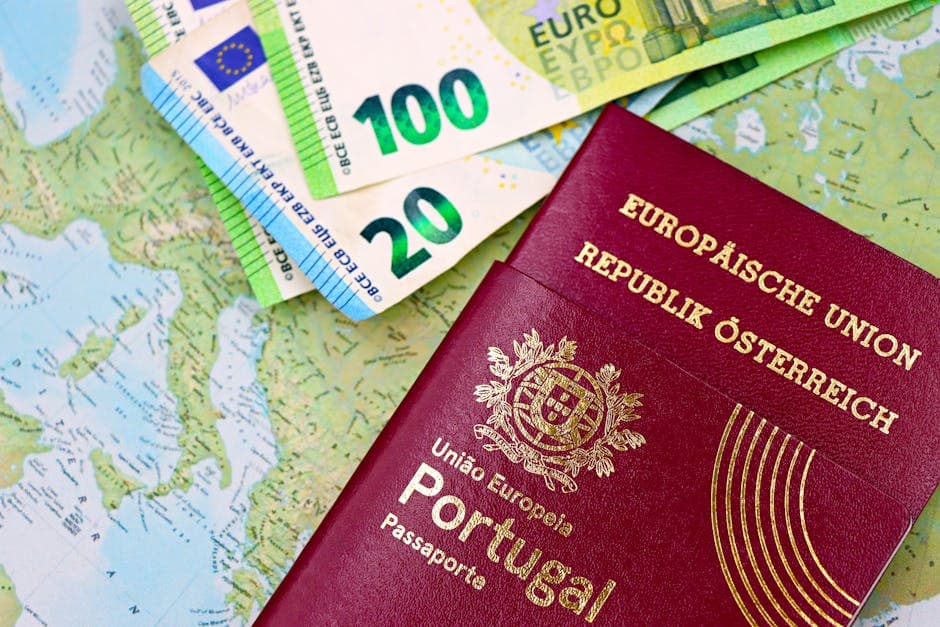
- Threshold: Any person carrying 10,000 EUR ($10,500 USD, Jan 2026) or more in cash or equivalent assets must declare it to the Customs Department.
- Reporting Method: Declarations must be made using the official forms provided at the airport, sea terminal, or the Malta Customs Department website.
- Penalties: Failure to declare amounts over the threshold can lead to the seizure of funds and significant fines.
These rules apply to travelers coming from or going to both EU and non-EU countries. For internal EU transfers, the same 10,000 EUR ($10,500 USD, Jan 2026) threshold triggers the reporting obligation if requested by authorities.
Bank Transfers and AML Compliance
While there is no legal limit on the amount of money you can transfer electronically into a Maltese bank account, banks apply rigorous "Know Your Customer" (KYC) protocols. For large or unusual transactions, banks will require supporting documentation.
Source of Funds and Wealth
If you are transferring a substantial amount—for example, 50,000 EUR ($52,500 USD, Jan 2026) for a property deposit—the bank will typically request:
- Source of Funds (SoF): Evidence of where the specific money for that transaction came from (e.g., a payslip, a sales contract for a house, or an inheritance document).
- Source of Wealth (SoW): A broader explanation of how you accumulated your total net worth over time (e.g., career history or business ownership).
Financial institutions in Malta use the Financial Intelligence Analysis Unit (FIAU) guidelines to monitor transactions for suspicious patterns. Transfers from high-risk jurisdictions may face additional scrutiny or may be blocked entirely depending on current international sanctions.

Practical Steps for Foreigners
To ensure a smooth movement of capital when relocating to Malta, follow these practical steps:
- Notify your home bank: Large outbound transfers can be flagged as fraudulent by your current bank. Inform them of your intent to transfer funds to Malta.
- Prepare documentation: Keep digital and physical copies of tax returns, employment contracts, and audited accounts if you are a business owner.
- Use SEPA for EU transfers: For transfers within the Single Euro Payments Area, costs are typically low, and processing times are fast (often within 24 hours).
- Consult a tax professional: While movement is free, the tax implications of bringing capital into Malta depend on your specific residency and domicile status.
Note: Rules regarding capital movement can change based on international regulatory shifts. Always verify current requirements with your specific banking partner in Malta before initiating large transfers.