
Overview of Birkirkara
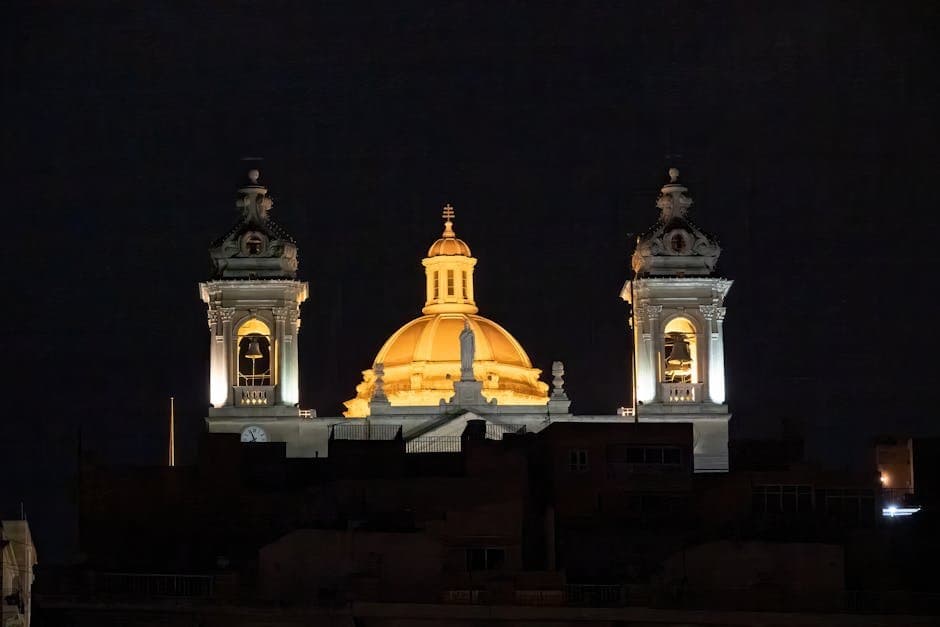
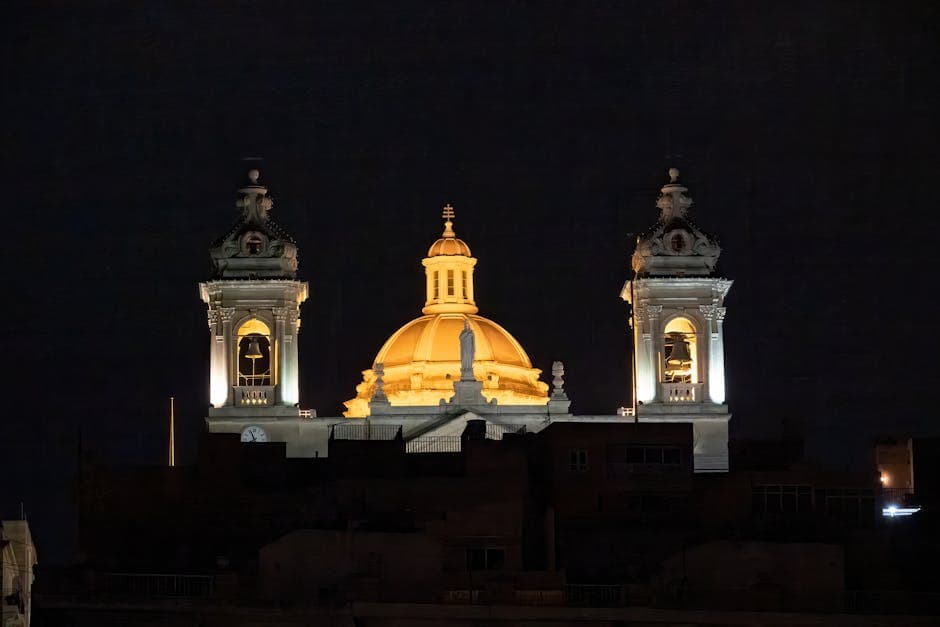
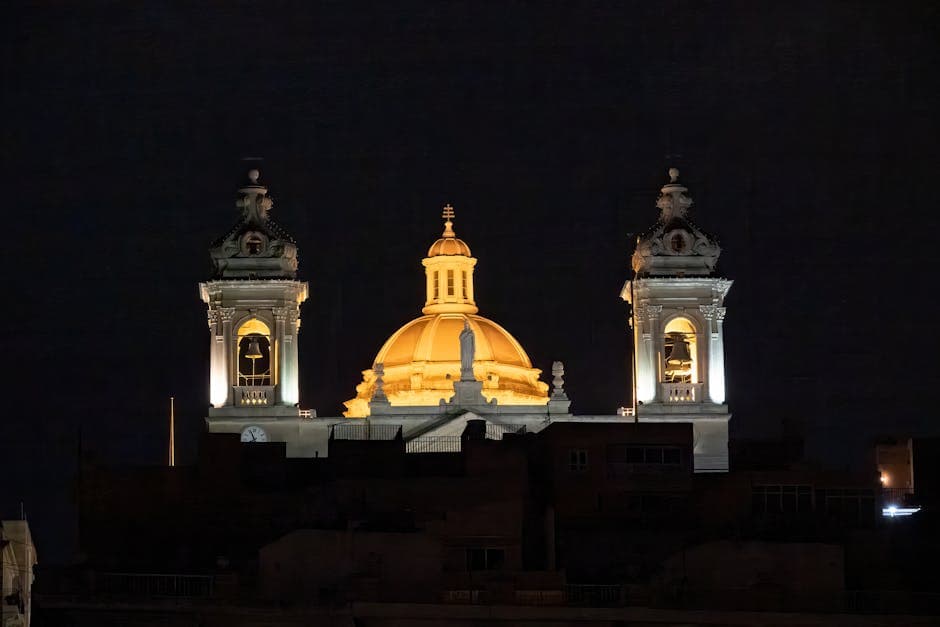
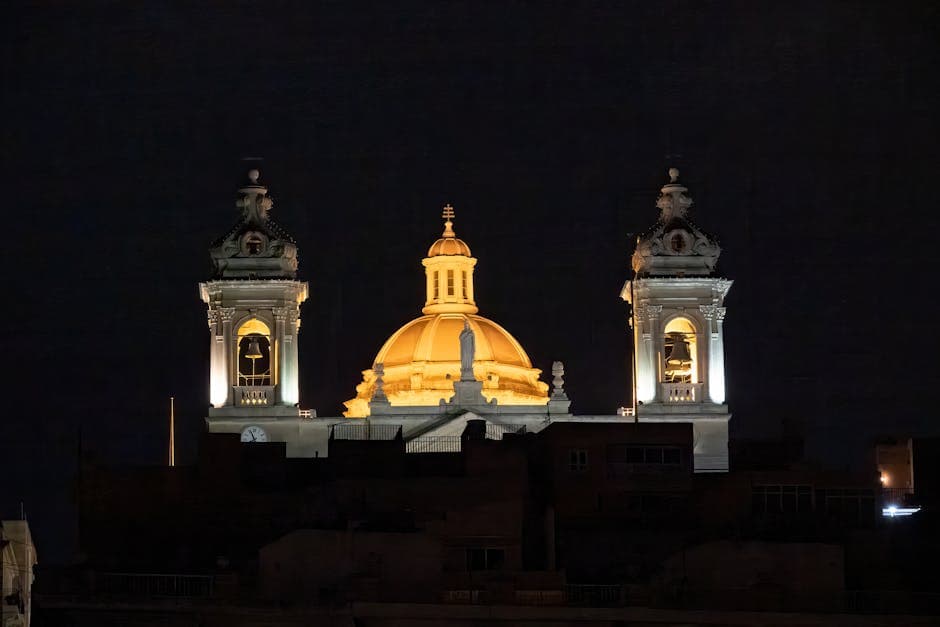
Birkirkara is located in the central region of Malta and functions as a primary node for the island's internal commerce and transport. According to data from the National Statistics Office, it remains one of the most densely populated areas on the island. The city is characterized by its historical core, centered around the St. Helen’s Basilica, and its expanding modern outskirts that host various corporate offices and retail outlets.
Vibe and Lifestyle
The atmosphere in Birkirkara is predominantly urban and fast-paced compared to coastal resort towns. It serves as a residential base for many locals and expatriates who work in the central business districts. The lifestyle is focused on convenience, with numerous supermarkets, banks, and local shops accessible within walking distance in most neighborhoods.
Cost of Living and Housing
Housing in Birkirkara is generally more affordable than in the coastal hubs of Sliema or St. Julian's, though prices have risen steadily into 2025. For a standard one-bedroom apartment, tenants can expect to pay between 850 EUR and 1,000 EUR. Two-bedroom units typically range from 1,100 EUR to 1,400 EUR depending on the proximity to the Mrieħel business park or the town center.
Utility costs and daily expenses align with the national average. Residents benefit from lower prices at local markets and traditional bakeries found in the older parts of the city. The presence of large discount supermarkets also contributes to manageable grocery budgets for long-term residents.
Transportation and Connectivity
Birkirkara is a major transit point for the Malta Public Transport network. The city features several key bus interchanges that connect the north, south, and central regions of the island. Due to its central location, commuting to the capital, Valletta, or the Mater Dei Hospital is efficient via public transit.
Traffic congestion is a significant factor during peak hours, particularly on major arteries like Dun Karm Road (the Birkirkara Bypass). Parking in the city center is limited, leading many residents to seek housing with dedicated garage spaces. Pedestrian infrastructure is well-established in the residential cores but can be challenging near the industrial zones.
Neighborhoods and Districts
Birkirkara is divided into several distinct areas, each offering a different living environment:
Mrieħel and the Central Business District
This area has transitioned from an industrial estate into a primary financial and business hub. It is home to many international firms and the Malta Financial Services Authority. Residential options here are limited but increasing with new apartment developments.
Ta' Paris
A quieter, more modern residential area located on the outskirts. It is popular with families and professionals due to its proximity to the university and hospital, offering a more suburban feel than the city center.
The Old Church Area
This district features traditional Maltese townhouses and narrow streets. It is the cultural heart of the city, hosting the annual feast and local community events. Housing here often consists of renovated character homes.
Education and Healthcare
The city is well-equipped with educational facilities, including several primary and secondary schools. It is also in close proximity to the University of Malta and the Malta College of Arts, Science and Technology (MCAST). Healthcare services are accessible through local health centers and the nearby Mater Dei Hospital, which is the island's primary public medical facility.