
Overview of Pet Relocation to Malta
Malta adheres to strict European Union (EU) regulations regarding the movement of pet animals. The primary objective is to prevent the introduction of rabies and other infectious diseases. These rules apply specifically to "non-commercial" movement, which refers to pet owners traveling with their animals or within five days of their pet’s travel. The Veterinary Regulation Directorate (VRD) is the governing body responsible for oversight and enforcement.
Relocation procedures vary significantly depending on the country of origin. Generally, countries are categorized into EU Member States, "Listed" third countries (low-risk), and "Unlisted" third countries (high-risk). Failure to comply with these requirements may result in the animal being quarantined, returned to the country of origin, or, in extreme cases, euthanized at the owner's expense.
Mandatory Health and Identification Requirements
Regardless of the country of origin, all dogs, cats, and ferrets entering Malta must meet the following three foundational criteria:
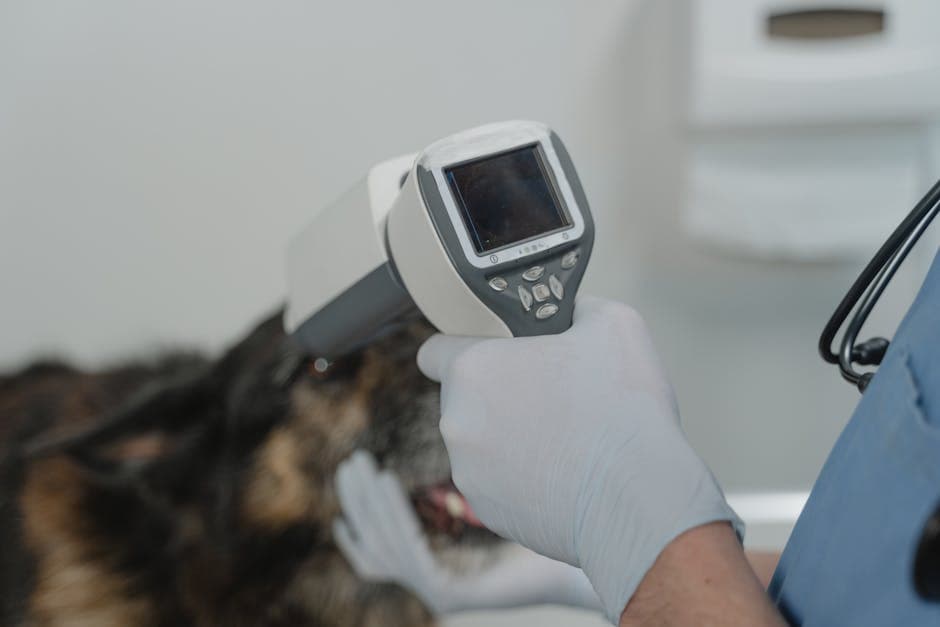
- Microchipping: The pet must be fitted with an ISO-compliant (11784 and 11785) microchip. This must occur before the rabies vaccination is administered.
- Rabies Vaccination: The animal must be vaccinated against rabies by an authorized veterinarian. The vaccine must be valid at the time of travel. For primary vaccinations, a waiting period of 21 days is required before the pet can enter Malta.
- Minimum Age: Malta does not permit the entry of pets under 15 weeks of age (12 weeks for the vaccine and 3 weeks for the immunity period), regardless of the country of origin.
Dog-Specific Requirements: Tapeworm Treatment
Malta is one of the few EU countries currently free of the Echinococcus multilocularis parasite. Consequently, all dogs entering Malta must be treated for tapeworm by a veterinarian. This treatment must be administered no less than 24 hours and no more than 120 hours (5 days) before the scheduled time of entry into Malta. The treatment must be recorded in the pet’s official documentation.
Documentation by Origin
The required paperwork depends on where the journey begins. All documents must be original; photocopies are generally not accepted at the border.
Traveling from EU Member States
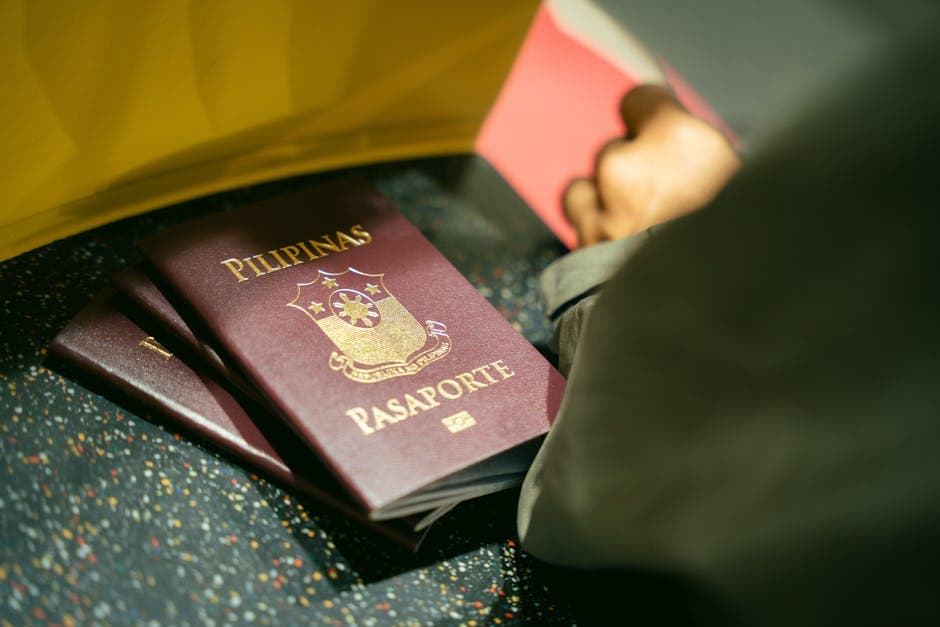
Pets originating from EU countries or territories must be accompanied by a valid EU Pet Passport. This document serves as a lifelong record of vaccinations and health status. It must be issued by an authorized veterinarian in the country of residence.
Traveling from Non-EU (Third) Countries
For pets coming from outside the EU, the requirements are more complex:
- EU Health Certificate (Annex IV): This document must be issued by an official state veterinarian in the country of departure within 10 days of arrival in Malta.
- Rabies Antibody Titer Test: If traveling from an "unlisted" high-risk country, the pet must undergo a blood test to confirm rabies immunity. This test must be conducted at least 30 days after vaccination and three months before the date of travel.
- Owner Declaration: A signed declaration confirming the non-commercial nature of the move.
Administrative Procedures and Fees
Pet owners must proactively notify the Maltese authorities of their arrival to ensure a smooth transition through customs and veterinary checks.
VRD Notification
Travelers must submit an online notification to the Veterinary Regulation Directorate at least 24 hours prior to arrival. This can be done via the official Maltese Government Portal. Information required includes the flight/ferry number, arrival time, and copies of the pet's documentation.
Applicable Fees
As of 2026, the following administrative fees generally apply for the processing and inspection of pets:
- Standard Inspection Fee: 50 EUR ($53 USD, Jan 2026) per animal for arrivals from non-EU countries.
- Out-of-Hours Inspection: Additional fees may apply for arrivals during weekends or public holidays. This is usually around 45 EUR ($48 USD, Jan 2026).
Prohibited Breeds and Special Cases
Malta maintains specific restrictions on certain types of animals and breeds. It is essential to verify current legislation before planning a move with a restricted animal.
- Dangerous Dogs: The importation of certain breeds, such as the American Pitbull Terrier, Japanese Tosa, Dogo Argentino, and Fila Brasileiro, may be subject to additional restrictions or prohibitions under the Dogs Act.
- Other Pets: Birds, reptiles, and rodents are subject to different regulations and may require specific import permits from the VRD. Many exotic species fall under CITES (Convention on International Trade in Endangered Species) regulations.
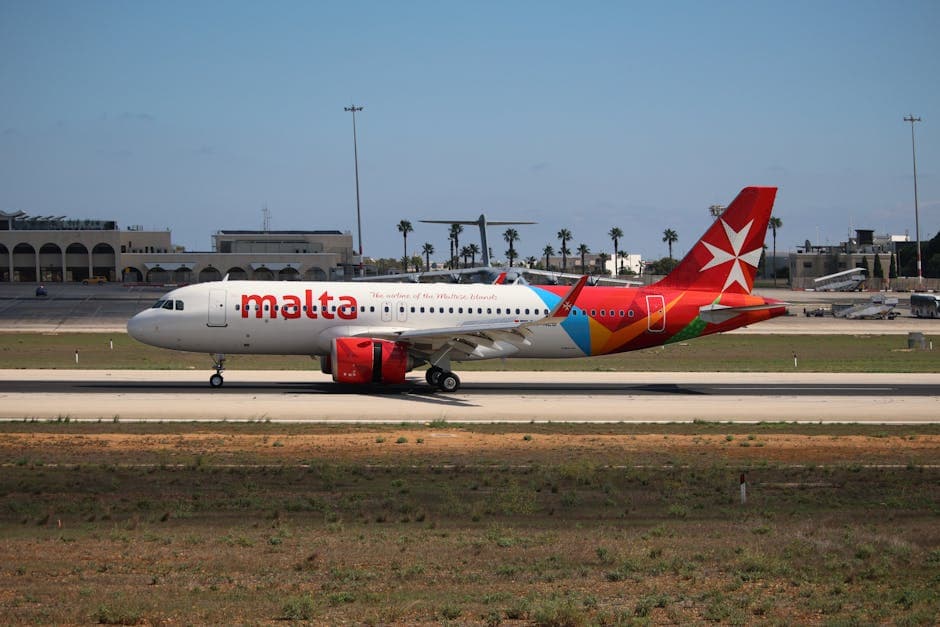
- Transport Rules: Airlines have individual policies regarding pet crates (IATA standards). Pets may travel in the cabin (if small), as checked baggage, or as manifest cargo. Contact your airline directly for specific dimensions and weight limits.
Note: Always verify the latest requirements with the Ministry for Agriculture, Fisheries and Animal Rights before booking travel, as regulations can change based on global health situations.