
Overview of the Maltese Property Market
The Maltese real estate market is regulated by the Immovable Property (Acquisition by Non-Residents) Act. For foreign nationals, the process of purchasing property is categorized based on the buyer's citizenship, residency status, and the location of the property. Malta differentiates between "Special Designated Areas" (SDAs), where restrictions are minimal, and the rest of the country, which may require specific permits.
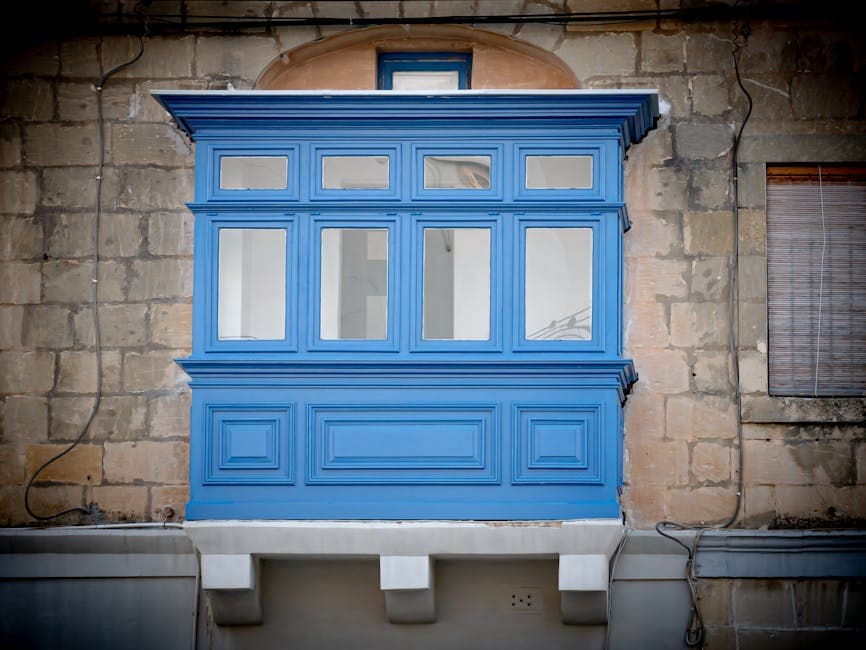
In 2025 and 2026, the market remains stable with a focus on high-quality residential developments and preserved historical townhouses. It is important to note that the acquisition of property does not automatically grant residency rights, though it is a core requirement for programs like the Malta Permanent Residence Programme (MPRP).
Legal Requirements and Permits
Whether a buyer requires a permit depends on their nationality and how long they have lived in Malta.
Acquisition of Immovable Property (AIP) Permit
Non-EU nationals (and EU nationals who have not resided in Malta for at least five continuous years) generally require an AIP Permit to purchase property outside of Special Designated Areas. This permit is subject to the following conditions:
- The property must be used for residential purposes by the buyer.
- Only one property may be owned under an AIP permit, except in specific investment cases.
- The property value must exceed a minimum threshold, currently approximately 162,000 EUR ($170,100 USD, Jan 2026) for apartments and 262,000 EUR ($275,100 USD, Jan 2026) for other property types.
The application fee for an AIP permit is approximately 233 EUR ($245 USD, Jan 2026).
Special Designated Areas (SDA)
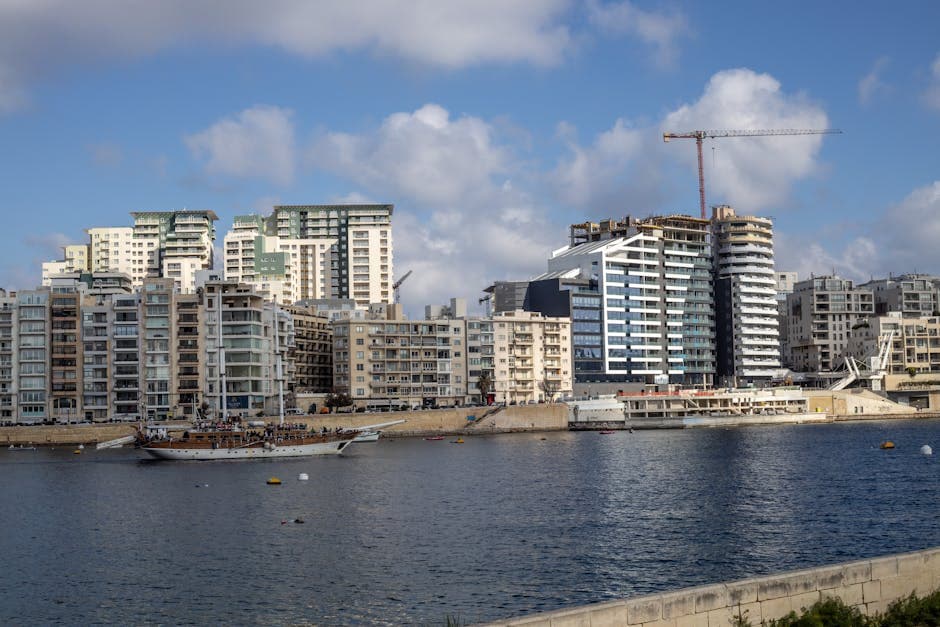
Special Designated Areas are high-end developments where foreigners (EU and non-EU) can buy property with the same rights as Maltese citizens. In these areas, no AIP permit is required, multiple properties can be purchased, and the properties can be rented out freely. Notable SDAs include Tigné Point, Portomaso, and various developments in Gozo.
The Purchase Process Step-by-Step
The acquisition of property in Malta typically follows a standardized legal procedure managed by a Notary Public.
Step 1: The Promise of Sale (Konvenju)
Once a price is agreed upon, the buyer and seller sign a "Promise of Sale" agreement, locally known as the Konvenju. This document binds both parties to the transaction for a set period, usually three to six months. At this stage, the buyer typically pays:
- A deposit of 10% of the purchase price, held by the Notary or the agent.
- Provisional Stamp Duty, usually 1% of the property value (as part of the total 5%).
Step 2: Due Diligence and Searches
During the Konvenju period, the Notary conducts legal searches to ensure the property has a clear title, no outstanding debts, and is built according to planning permits. If an AIP permit is required, the application is submitted during this time.
Step 3: The Final Deed
Once all legal checks are clear and permits are granted, the parties meet to sign the Final Deed. The remaining balance of the purchase price is paid, the keys are handed over, and the Notary registers the deed with the Public Registry or Land Registry.
Associated Costs and Taxes
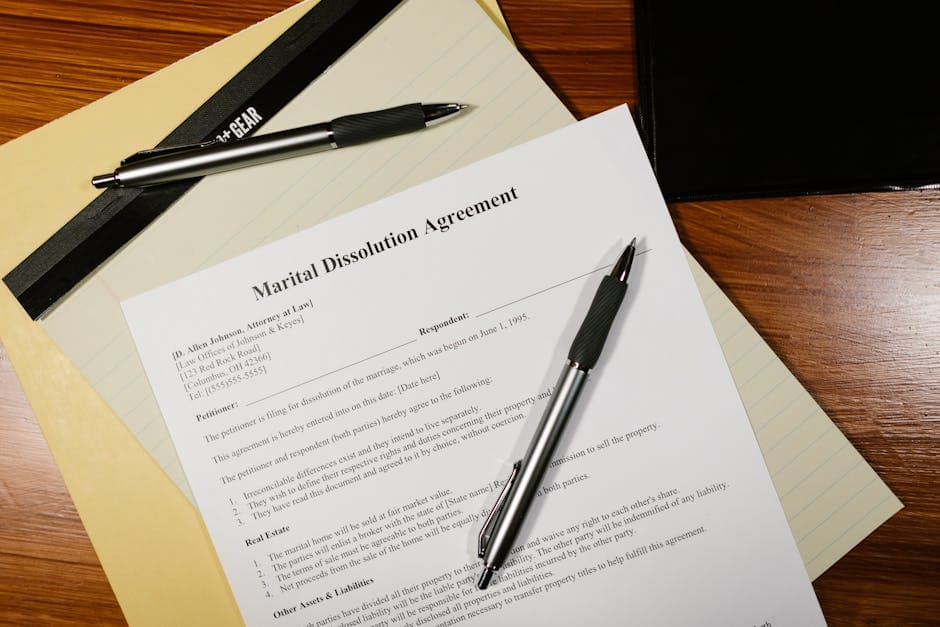
Buyers should budget for additional expenses beyond the property price, which generally total between 7% and 8% of the purchase value:
- Stamp Duty: Generally 5% of the value, though first-time buyers or purchases in Gozo/Urban Conservation Areas (UCAs) may qualify for reduced rates or exemptions.
- Notary Fees: Typically 1% to 1.5% of the property price. Detailed fee structures can be verified via the Notaries Council of Malta.
- Agency Fees: These are usually paid by the seller, but buyers should confirm this with their specific real estate agent.
- Health and Safety/Architect Fees: If a structural survey is required, an architect's fee will apply, typically ranging from 300 EUR ($315 USD, Jan 2026) to 1,000 EUR ($1,050 USD, Jan 2026).
Note: Tax laws and incentives are subject to annual changes in the National Budget. Always consult with a local tax professional for the most current data applicable to your situation.