
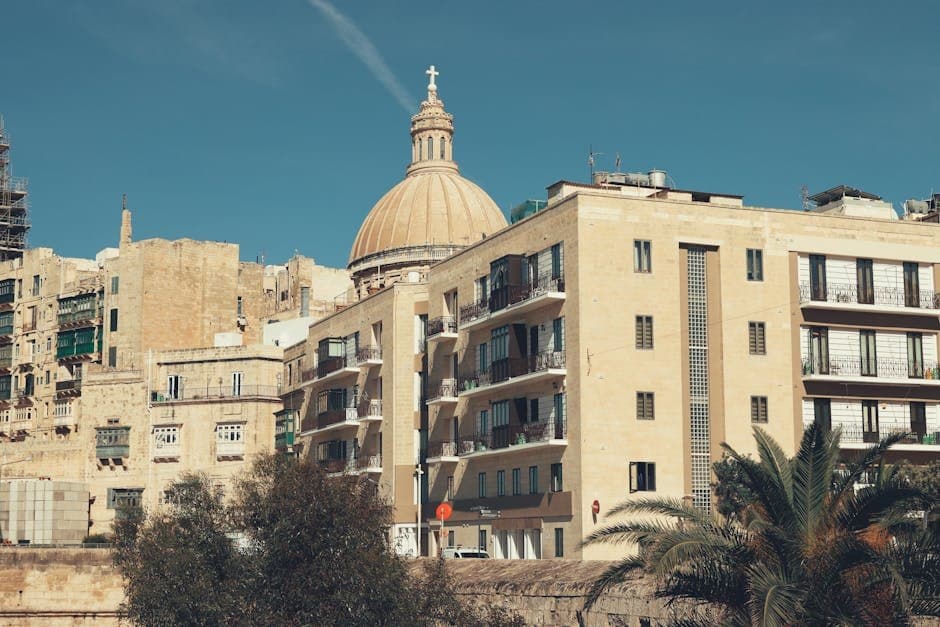
Vibe and Overview
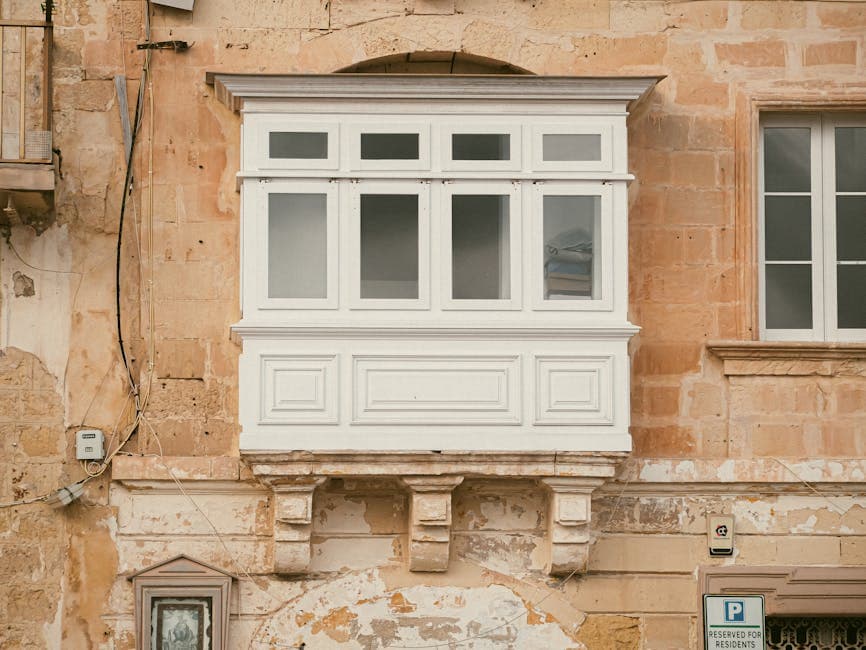
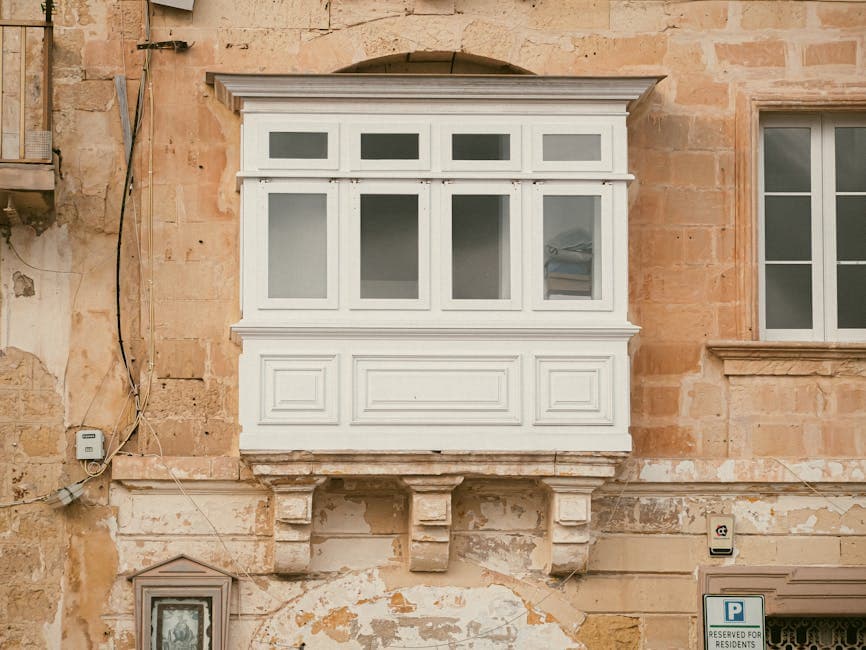
Valletta is characterized by its steep streets, limestone buildings, and traditional wooden balconies. As a planned city from the 1500s, it operates on a grid system that facilitates sea breezes throughout the peninsula. During the day, the city is a bustling hub of government activity, legal professionals, and commerce. In the evening, the atmosphere shifts toward a more quiet, residential tone, though the presence of high-end dining and cultural venues maintains a steady level of activity.
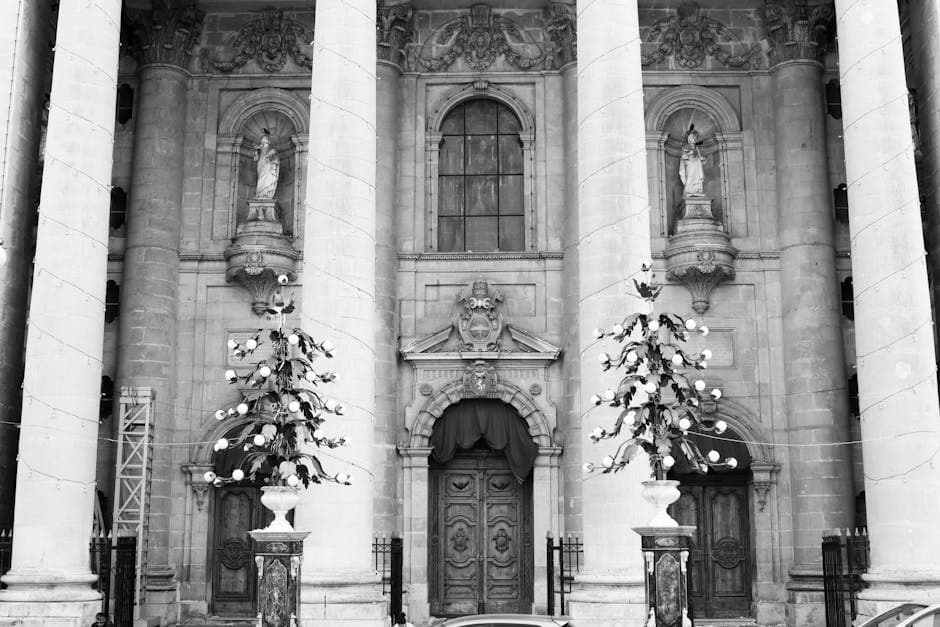
Cost of Living
Living in Valletta carries a premium compared to most other regions in Malta. The limited supply of residential units within the city walls keeps rental prices high. Groceries and daily essentials are available through small local vendors and convenience stores, though larger supermarkets are located in the neighboring town of Floriana or the outskirts of the harbor area. Utility costs are standard, but the maintenance of historic properties can lead to higher heating or cooling expenses due to high ceilings and stone walls.
Transportation and Connectivity
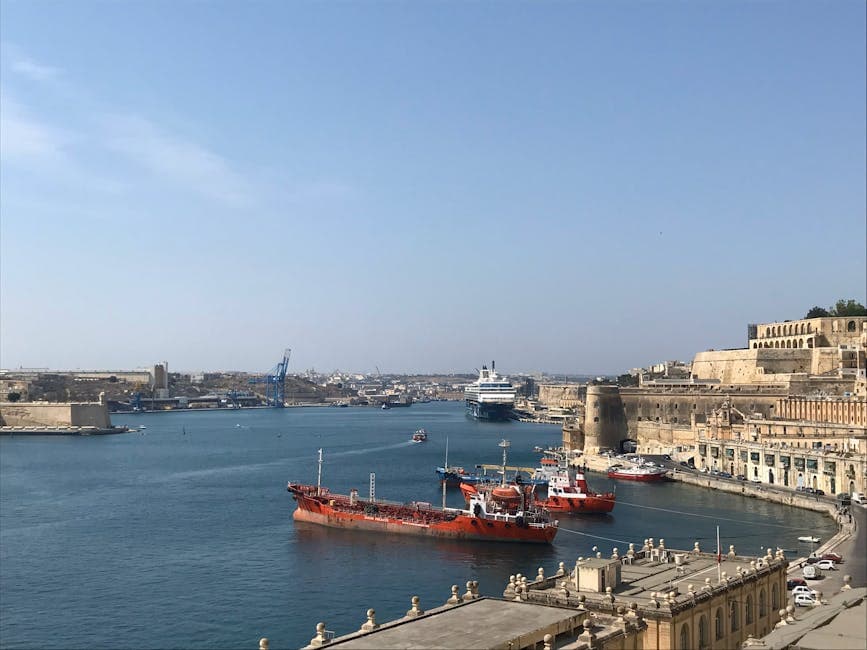
Valletta is the central node for the Malta Public Transport bus network, with the main terminus located at the City Gate. This provides direct access to almost every village on the island. For maritime travel, the Valletta Ferry Services operate regular routes across the Grand Harbour to the Three Cities and across Marsamxett Harbour to Sliema. The city is largely pedestrianized, and vehicle access is regulated by a Controlled Access Zone (CVA) system that charges non-resident drivers based on the duration of their stay.
Neighborhoods and Housing
Housing in Valletta is almost exclusively composed of historic apartments and townhouses. The city is often divided into the 'Upper' and 'Lower' sections. The areas surrounding the Upper Barrakka Gardens and Republic Street are the most prestigious, featuring renovated palazzos and proximity to the city's main gates. The lower end of the city, near Fort St. Elmo and the Mediterranean Conference Centre, offers a more authentic residential experience with a mix of renovated and unrenovated properties. Availability is low, and many units are utilized for short-term tourism rentals.
Residency and Visas
The legal requirements for moving to Valletta depend on individual situation. EU, EEA, and Swiss nationals have the right to live and work in Malta but must register for a residence card after three months. Third-country nationals must obtain a visa or permit, such as the Single Permit for employment or the Nomad Residence Permit for remote workers. Malta also offers several investment-based residency programs that require specific financial commitments in property rental or purchase within the capital city.