
Overview of Student Housing in Malta
Finding suitable accommodation is a critical step for international students planning to study in Malta. The rental market in Malta is dynamic, with options ranging from university-managed residences to private shared apartments. For the 2025/2026 academic year, demand remains high in areas surrounding the main educational hubs, particularly around Msida, Gżira, and Sliema.
Foreign students should distinguish between short-term accommodation (often used for English language courses) and long-term residential leases (typically 6 to 12 months). Most higher education institutions do not guarantee housing, making early research and booking essential for non-resident students.
Types of Student Accommodation
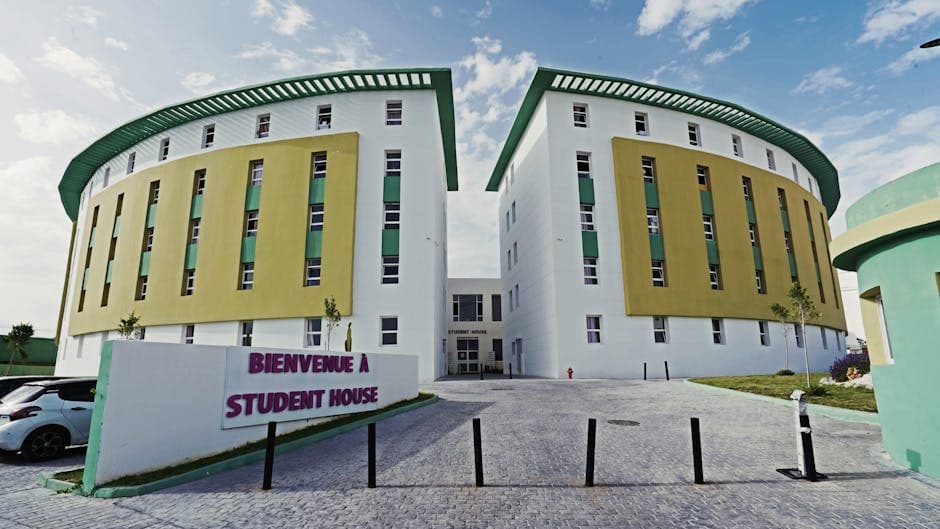
University-Managed Residences
The University of Malta offers specific housing solutions for its students. The primary facility is the Campus Hub, located adjacent to the main campus in Msida. These facilities provide purpose-built units with shared or private rooms, high-speed internet, and communal study areas. Prices vary based on the room type and the length of the stay.
Private Rentals and Shared Apartments
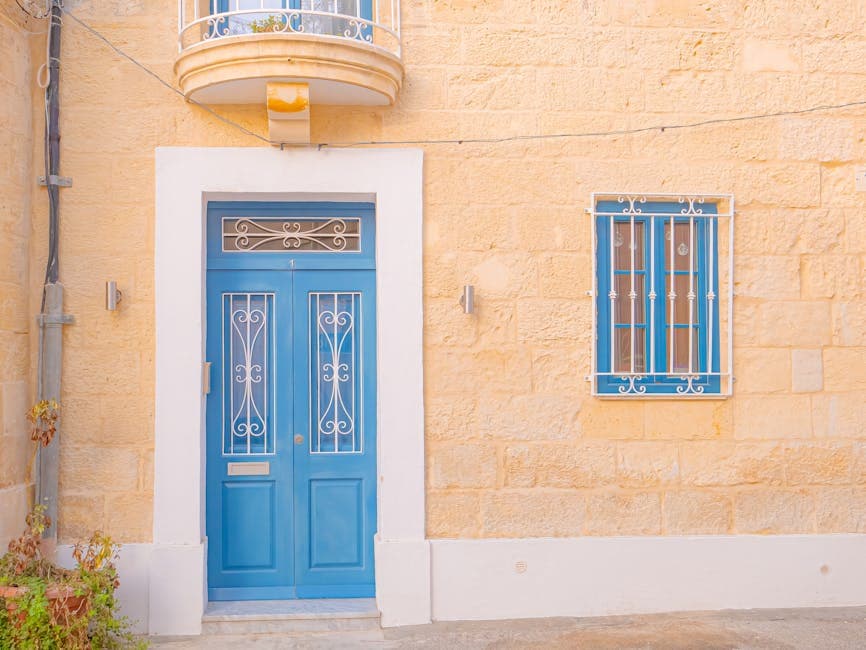
This is the most common choice for international students. Students often rent a single room within a larger apartment shared with other students. This option provides more flexibility regarding location and lifestyle. Popular areas include:
- Msida and Tal-Qroqq: Closest to the University of Malta.
- Hamrun and Birkirkara: Often more budget-friendly options.
- Sliema and Gżira: Popular for their social life and proximity to language schools, though generally more expensive.
Host Families
Mainly utilized by students attending English Language Teaching (ELT) schools, staying with a local family includes meals and utilities. This is often an immersive way to experience Maltese culture but offers less independence than other options.
Estimated Costs and Budgeting
Housing costs in Malta have seen a steady increase. Students should budget for rent, utilities (water and electricity), and a security deposit (usually equivalent to one month's rent). Below are the estimated monthly rates for 2025/2026:
- Shared Bedroom (Residence or Shared Flat): 400 EUR to 550 EUR ($420 USD to $578 USD, Jan 2026) per person.
- Private Single Room (Shared Flat): 600 EUR to 850 EUR ($630 USD to $893 USD, Jan 2026).
- Studio or One-Bedroom Apartment: 950 EUR to 1,300 EUR ($998 USD to $1,365 USD, Jan 2026).
Utilities are frequently excluded from the base rent in private apartments. Students should expect to pay an additional 50 EUR to 80 EUR ($53 USD to $84 USD, Jan 2026) per month for water, electricity, and internet services.
Legal Requirements and Contracts
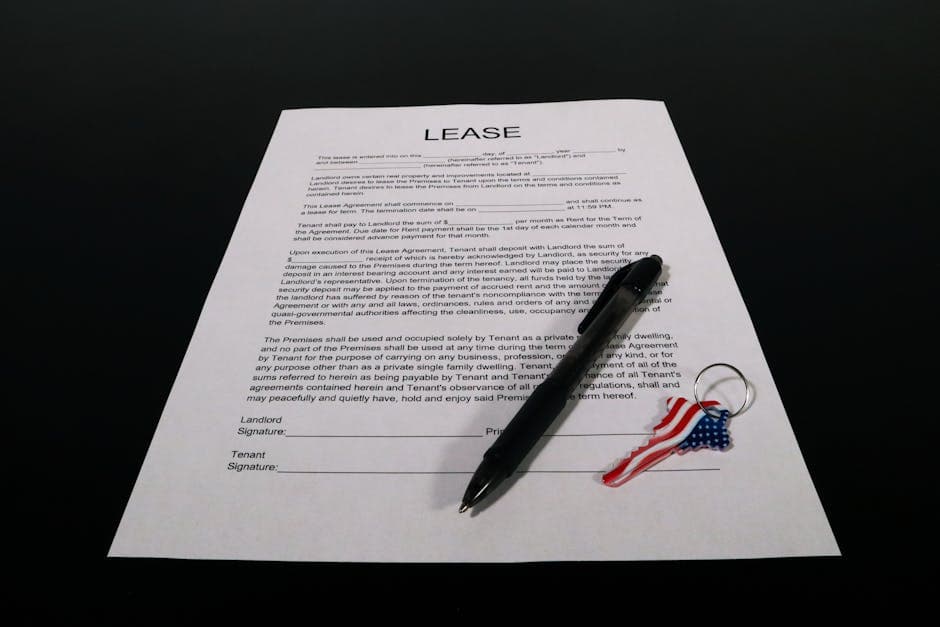
All residential rental agreements in Malta must be registered by the landlord with the Housing Authority. This is a legal requirement under the Private Residential Leases Act. Registration is vital for students as it serves as proof of address for residence permit applications (e-Residency).
Key Contractual Elements
- Inventory: Ensure a detailed inventory list is signed before moving in.
- Deposit: The deposit must be returned at the end of the lease, provided there are no damages or outstanding bills.
- Notice Period: For long-term leases (over one year), the tenant can terminate the lease after a specific period (usually 6 months) by giving one month's notice.
Note: Always request a copy of the Housing Authority registration notification to ensure the lease is legally recognized.
Practical Steps for International Students
To secure accommodation effectively, students are advised to follow these steps:
- Start Early: Begin the search at least 2-3 months before the semester starts (August for the October intake).
- Verify the Landlord: Use reputable agencies or official university housing services to avoid scams.
- Check Transportation: While Malta is small, traffic congestion is common. Ensure the accommodation has a direct bus route to the campus via Malta Public Transport.
- Review the Energy Label: Some older buildings may have higher heating or cooling costs due to poor insulation.
Special conditions may apply to students from non-EU countries who require a visa. In such cases, a confirmed accommodation address is often mandatory before the visa or residence permit can be processed.