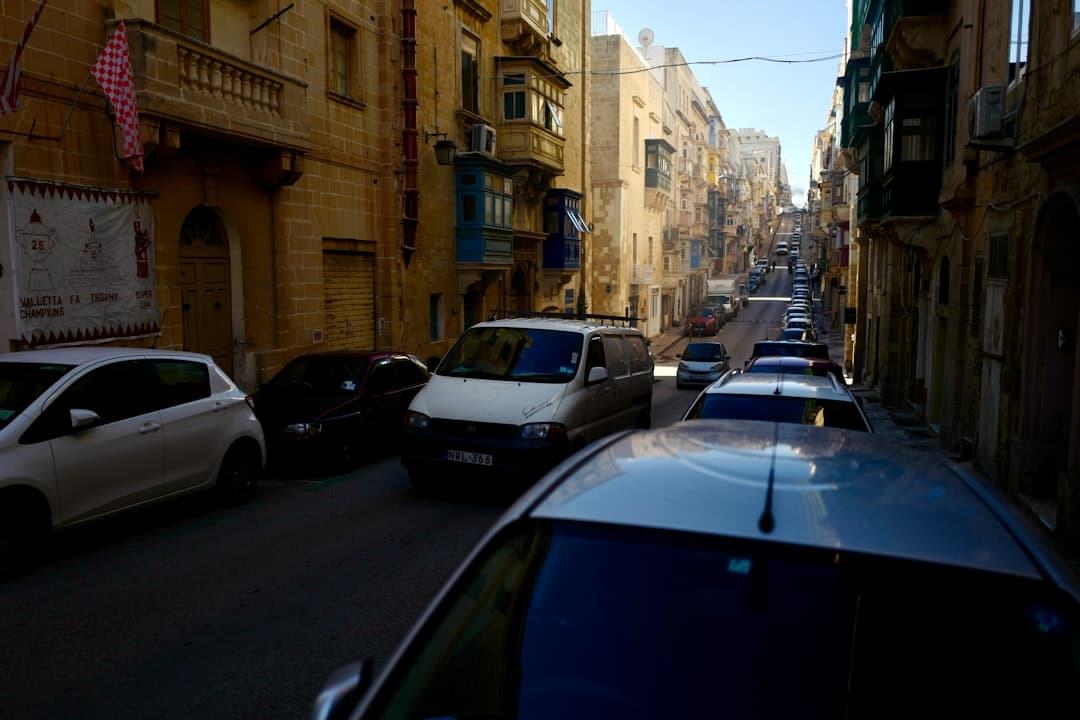
Traveling to Malta by Air
Malta is primarily accessible via Malta International Airport (MLA), located in Luqa. As an island nation, air travel is the most common entry point for foreign nationals. The airport serves as the hub for the national carrier, KM Malta Airlines, and is well-connected to major European hubs such as London, Rome, Frankfurt, and Istanbul.
Low-cost carriers including Ryanair, EasyJet, and Wizz Air operate frequent routes from across Europe and North Africa. During the peak summer season (June to September), flight frequency increases significantly, while winter schedules are more limited. Travelers are advised to book tickets in advance, as last-minute fares can exceed 300 EUR ($315 USD, Jan 2026) during high-demand periods.
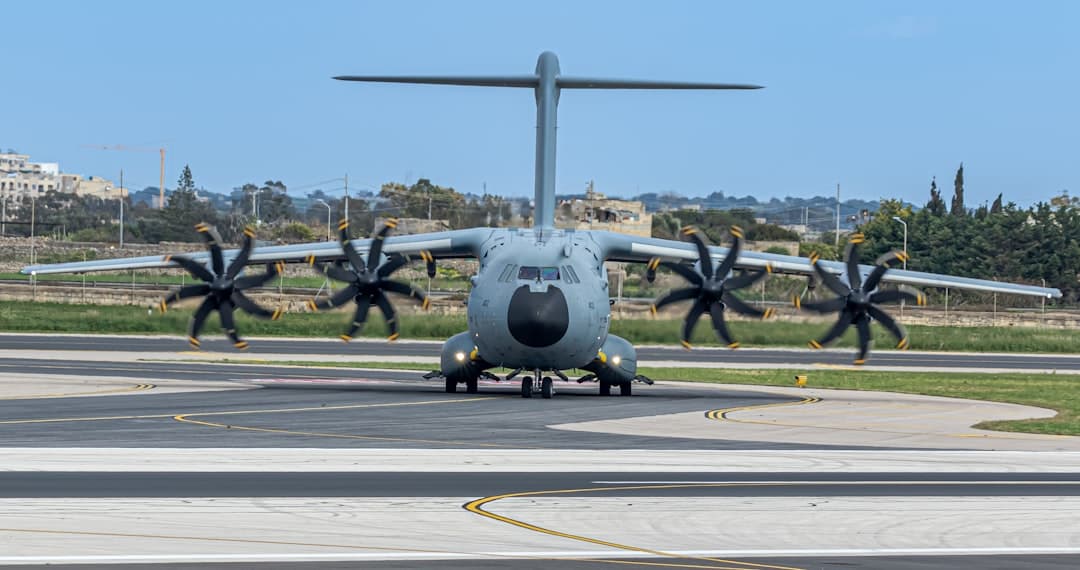
Entry Requirements and Border Control
Malta is a member of the Schengen Area. Entry requirements depend on the traveler’s nationality and the duration of their stay:
- EU/EEA/Swiss Citizens: May enter with a valid National ID card or Passport. There are no border controls when arriving from another Schengen country.
- Third-Country Nationals (Non-EU): Must present a passport valid for at least three months beyond the intended stay. Depending on the country of origin, a Schengen Visa or an ETIAS authorization may be required.
- Evidence of Stay: Border officials may request proof of accommodation, a return ticket, and sufficient financial means (approximately 48 EUR ($50.40 USD, Jan 2026) per day of stay).
Customs Regulations and Declarations
Malta follows European Union customs union rules. Travelers arriving from another EU country generally do not face customs checks on personal goods, provided duties were paid in the country of purchase. However, those arriving from outside the EU must adhere to strict declaration protocols.
Currency Declarations
Any person entering or leaving Malta with 10,000 EUR ($10,500 USD, Jan 2026) or more in cash (or its equivalent in other currencies/assets) must declare it to the Malta Customs Department. Failure to declare can result in the seizure of funds and significant fines.
Prohibited and Restricted Items
The following items are subject to specific controls:
- Food Products: Meat and dairy products from outside the EU are generally prohibited due to biosecurity risks.
- Medication: Travelers may bring personal medication. It is recommended to carry a doctor's prescription or a medical letter, especially for controlled substances.
- Pets: Must have an EU Pet Passport or an equivalent health certificate, a microchip, and a valid rabies vaccination. Specific pre-notification via the Agriculture and Fisheries Directorate is mandatory.
Duty-Free Allowances
For travelers arriving from non-EU countries, the following duty-free allowances apply per person (aged 17 and over):
- Tobacco Products: 200 cigarettes, OR 100 ramekins, OR 50 cigars, OR 250g of tobacco.
- Alcohol: 1 liter of spirits (over 22% ABV) OR 2 liters of fortified wine/sparkling wine; PLUS 4 liters of still wine and 16 liters of beer.
- Other Goods: Up to a total value of 430 EUR ($451.50 USD, Jan 2026) for air travelers.
Airport Logistics and Transportation
Upon arrival at Malta International Airport, several transportation options are available to reach various localities on the island:
- Public Bus: Managed by Malta Public Transport. Express routes (designated with an 'X') connect the airport to major hubs. A single journey cash fare is approximately 2.50 EUR ($2.63 USD, Jan 2026).
- Taxi Services: Pre-paid taxi tickets can be purchased at the fixed-rate booth in the Welcomers' Hall. Rates to Valletta are approximately 20 EUR ($21 USD, Jan 2026), while trips to St. Julian's cost roughly 25 EUR ($26.25 USD, Jan 2026).
- Ride-Hailing: Apps such as Uber, Bolt, and eCabs operate extensively. These often provide more competitive pricing than traditional white taxis.
- Car Rentals: Major international agencies are located in the Park East car park, accessible via a tunnel from the arrivals terminal.