
Electricity and Water Services
In Malta, electricity and water services are managed by a single centralized entity known as ARMS Ltd (Automated Revenue Management Services), which handles billing for the distribution companies Enemalta and Water Services Corporation. Unlike many other European nations, there is no competitive market for utility providers; services are state-regulated.
For foreign nationals, the most critical administrative step is ensuring the correct tariff is applied to their account. There are two primary categories for residential properties:
- Residential Rate: Applied to a primary residence where the occupants are registered. This is the most economical rate.
- Domestic/Non-Residential Rate: A higher tariff often applied by default to rental properties or secondary homes where no one is officially registered as a resident.
To benefit from the lower residential rate, tenants or owners must submit Form H to ARMS Ltd. This form requires the signatures of both the landlord and the tenant, along with copies of identity documents. As of January 2026, electricity rates for the first 2,000 units on a residential plan start at approximately 0.1047 EUR ($0.11 USD, Jan 2026) per kWh. Failure to register correctly can result in bills being up to 30% higher.
How to Apply for Utility Accounts
To set up or transfer a utility account, you must visit an ARMS service center or use their online portal. Required documentation typically includes:
- A valid passport or Maltese e-Residence card.
- A copy of the purchase deed or the registered rental contract.
- The completed application form (Form H for residential status).
- The current meter readings for both electricity and water taken on the day of occupancy.
Further information and digital forms can be accessed through the official ARMS Ltd website.
Gas Supply
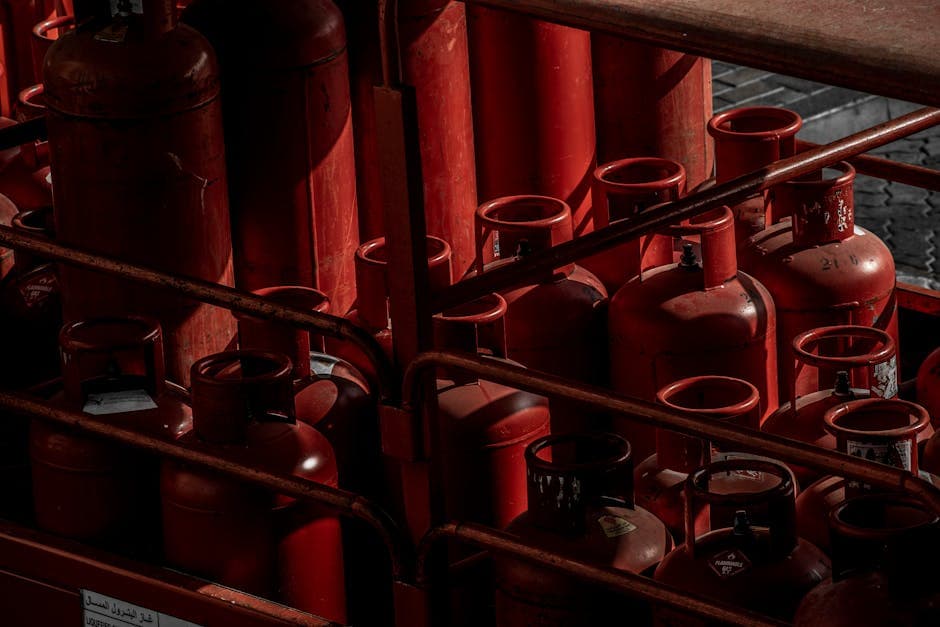
Malta does not have a nationwide underground gas pipeline network. Most households use Liquefied Petroleum Gas (LPG) supplied in portable cylinders for cooking and water heating. The market is served primarily by two companies: Liquigas and Easygas.
Gas cylinders are typically purchased from delivery trucks that circulate through residential neighborhoods on specific days or from designated retail points and petrol stations. A standard 12kg gas cylinder costs approximately 22.00 EUR ($23.85 USD, Jan 2026). When purchasing your first cylinder, a deposit for the physical container is required, usually ranging from 25.00 EUR ($27.10 USD, Jan 2026) to 30.00 EUR ($32.50 USD, Jan 2026).
Internet and Telecommunications
Malta has a robust telecommunications infrastructure with high-speed fiber-optic internet widely available across the islands. The three main providers are GO, Melita, and Epic. All providers offer "Triple Play" bundles that include internet, television, and mobile or fixed-line telephony.
Contract terms generally last 24 months, though month-to-month options are available at a higher price point. To sign up, you will need your e-Residence card or a passport and proof of address. Average costs for a 500Mbps fiber connection are approximately 30.00 EUR ($32.55 USD, Jan 2026) to 45.00 EUR ($48.80 USD, Jan 2026) per month, depending on the bundle and current promotions.
- GO: Offers extensive fiber coverage and mobile integration. go.com.mt
- Melita: Provides high-speed cable and fiber internet services. melita.com
- Epic: Known for competitive mobile plans and expanding fiber-to-the-home services. epic.com.mt
Waste Management
Waste collection in Malta is organized by local councils and follows a nationwide schedule. Household waste must be separated into specific bags:
- Organic Waste (White Bag): Collected on Mondays, Wednesdays, and Fridays.
- Recyclable Waste (Grey or Green Bag): Paper, plastic, and metal, collected on Thursdays.
- Mixed Waste (Black Bag): Non-recyclable items, collected on Tuesdays and Saturdays.
- Glass: Collected every first and third Friday of the month.
Failure to adhere to the schedule or using the incorrect bag color can result in administrative fines. Waste collection services are funded through national taxation, so there is no direct monthly fee for standard residential pickup.