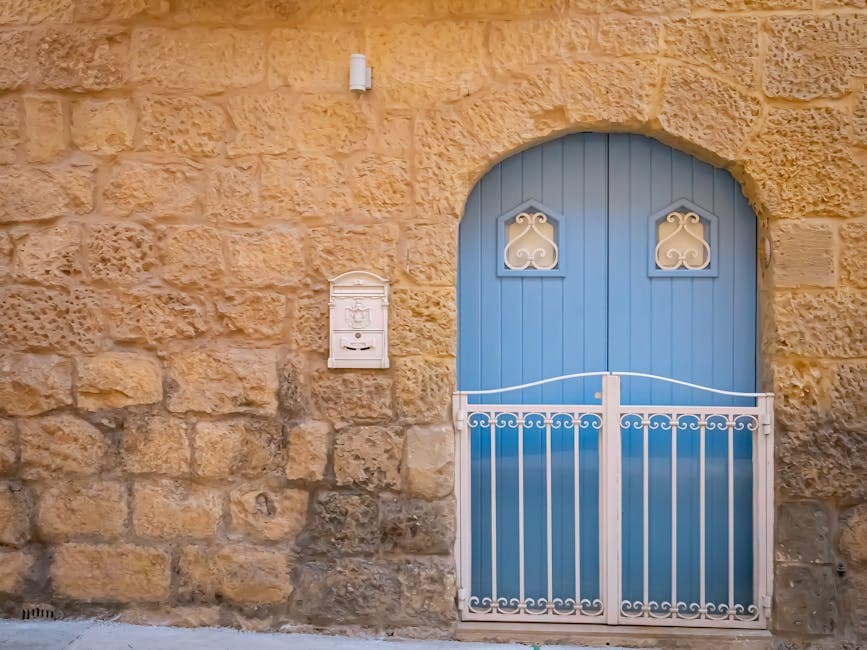
The Language Environment in Malta
Malta is a bilingual country with two official languages: Maltese (Malti) and English. According to the Constitution of Malta, both languages are utilized in administrative, legislative, and judicial contexts. For foreign nationals, English is the primary medium of communication in the workplace, banking, and government interactions.
While English is spoken by approximately 88% of the population, Maltese remains the mother tongue for the majority and is essential for deep social integration. Maltese is a Semitic language written in the Latin alphabet, featuring significant influences from Italian, French, and English. In smaller village communities and local markets, Maltese is the predominant language used for daily interactions.
- Government Services: Almost all forms, websites, and official documents are available in English.
- Business Environment: English is the standard language for contracts and professional meetings.
- Media: News outlets operate in both languages, with several English-language daily newspapers available.
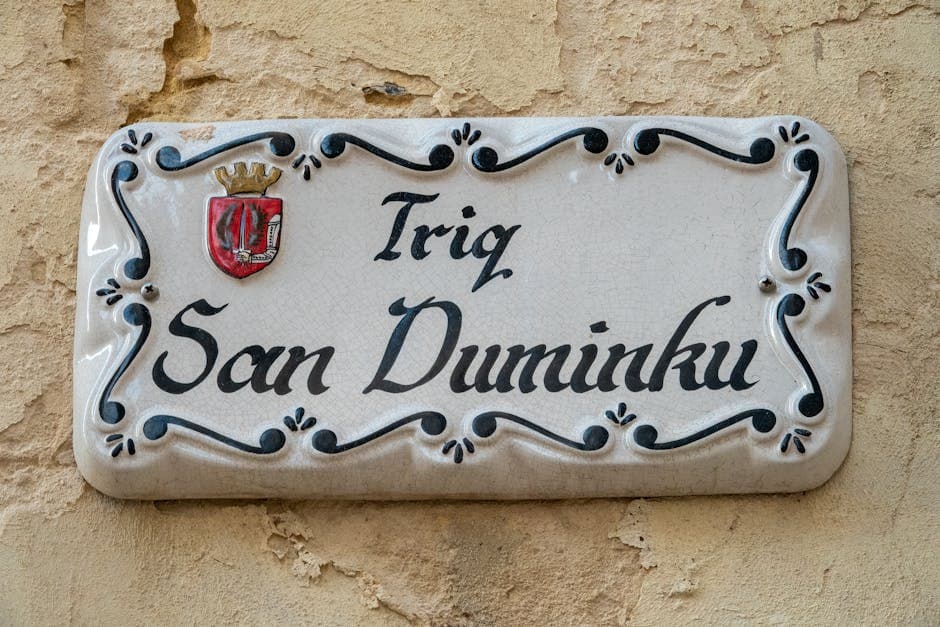
Integration Programs: The "I Belong" Initiative
The Government of Malta, through the Human Rights Directorate, offers a structured integration framework known as the "I Belong" program. This initiative is designed for foreign nationals (EU and non-EU) who wish to integrate into Maltese society. Completion of these courses is often a requirement for those seeking Long-Term Resident status.
Program Stages and Requirements
The program is divided into two main stages:
- Stage 1 (Pre-Integration): Focuses on English and Maltese language basics and cultural orientation. This stage is generally free of charge for eligible applicants.
- Stage 2 (Integration): Involves more intensive language training (Maltese Level 2) and a course on the social, economic, cultural, and democratic history of Malta.
As of January 2026, administrative fees for specific certificate applications within the program may apply, typically around 50 EUR ($52.50 USD, Jan 2026) for non-EU nationals, though many educational components remain subsidized. Detailed information can be found on the official Human Rights Directorate website.

Social Etiquette and Cultural Norms
Maltese culture is a blend of Mediterranean influences with a strong historical connection to the Catholic Church. While society has become increasingly secularized in recent years, traditional values remain significant, especially in rural areas (the "villages").
Key Cultural Elements
- Religious Festas: Every village celebrates a patron saint with a "festa." These involve fireworks, brass bands, and processions. Participating in or observing these events is a common way for foreigners to experience local life.
- Business Etiquette: Business interactions are relatively formal but often preceded by polite small talk. Punctuality is expected, though social gatherings may follow a more relaxed timeline.
- Sunday Traditions: Sunday is traditionally a day for family gatherings. Many shops outside of major tourist hubs (like Sliema or St. Julian's) may have limited hours or remain closed.
"Understanding the local parish culture is often the key to successful integration in traditional Maltese towns."
For official residence and identity matters, foreigners should consult Identità, the national agency responsible for identity management and residency permits.